
We love exploring museums and galleries, but understanding this kind of art was not immediate. It took time and curiosity, and this article comes from that journey, offering an approach to modern and contemporary art with an open mind.
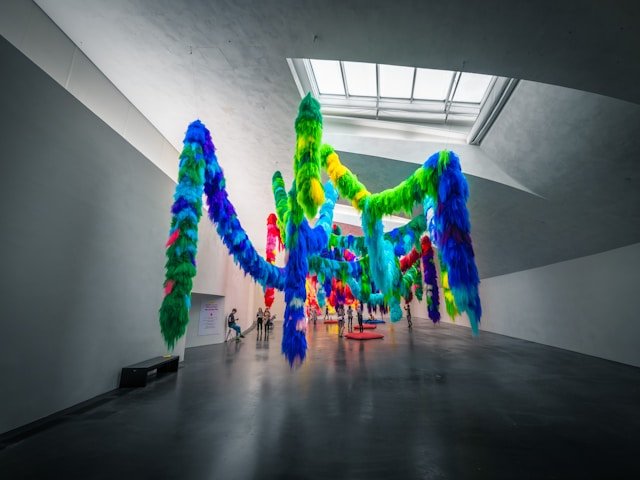
Modern art has a reputation problem. For many people, the first encounter happens in a museum: a large white room, an abstract painting, a strange object on the floor, or a video that seems to have no beginning or end. The reaction is often the same, a strange feeling that maybe this kind of art is not meant for them.
The problem is not about intelligence. It is context. Modern art, and what we usually call modern art, is rarely explained. This guide is not about convincing you to like it. It is about helping you understand what you are looking at, and why it exists.
The myth of modern art
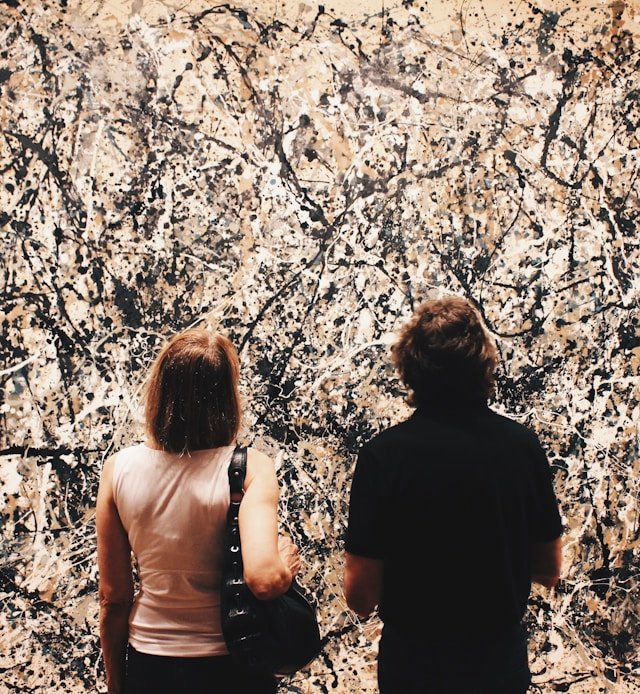
In everyday language, “modern art” has become a label for anything that looks unusual or deliberately strange. Like a few random lines on a canvas, an everyday object placed in a museum or a room that feels more like an experiment than an exhibition. The common conclusion is always same: this makes no sense.
But most people do not reject modern art because they dislike it. They reject it because they feel excluded from the conversation. They are looking at something without knowing what kind of question it is asking. Modern art often fails not because it is bad, but because no one explains what game it is playing.
What modern art actually is
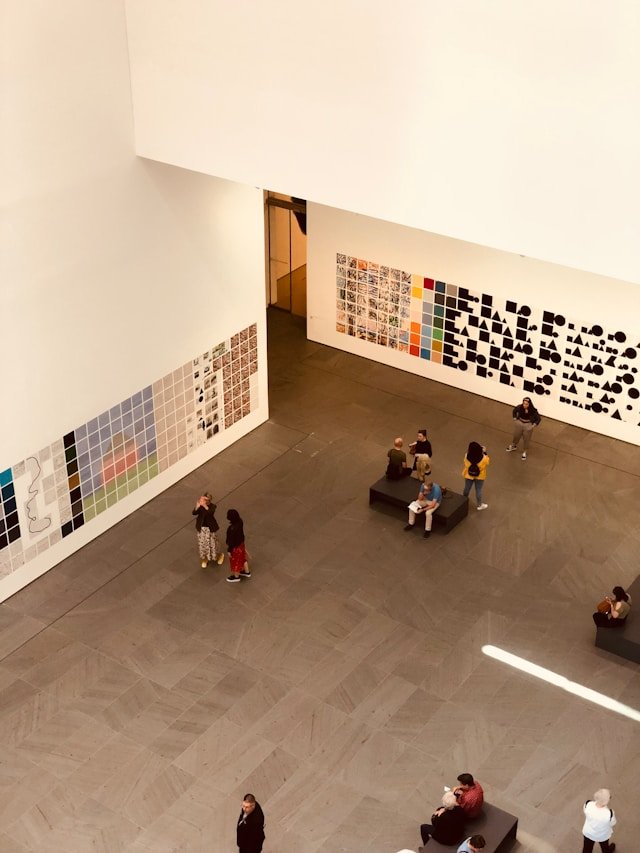
Historically, modern art refers to a specific period, roughly from the late nineteenth century to the middle of the twentieth century. It emerges when artists decide that copying reality is no longer the main purpose of art.
The emergence of photography was responsible for this change. Once reality can be captured instantly by a camera, painting no longer needs to imitate it, and also, the world itself is changing rapidly. Artists respond by changing the rules.
Figures like Pablo Picasso break form apart to show multiple perspectives at once. Wassily Kandinsky abandons representation entirely to focus on emotion and inner experience. Others distort, simplify or exaggerate reality to express how it feels rather than how it looks. Everything was new and original.
Modern art is the moment when art stops asking “How does the world look?” and starts asking “What does the world feel like? It is not about showing something. It is about expressing something.
What contemporary art is (in simple terms)
This is where confusion usually begins. Much of what people today call “modern art” is actually contemporary art. Contemporary art refers to art produced from the late twentieth century to the present.
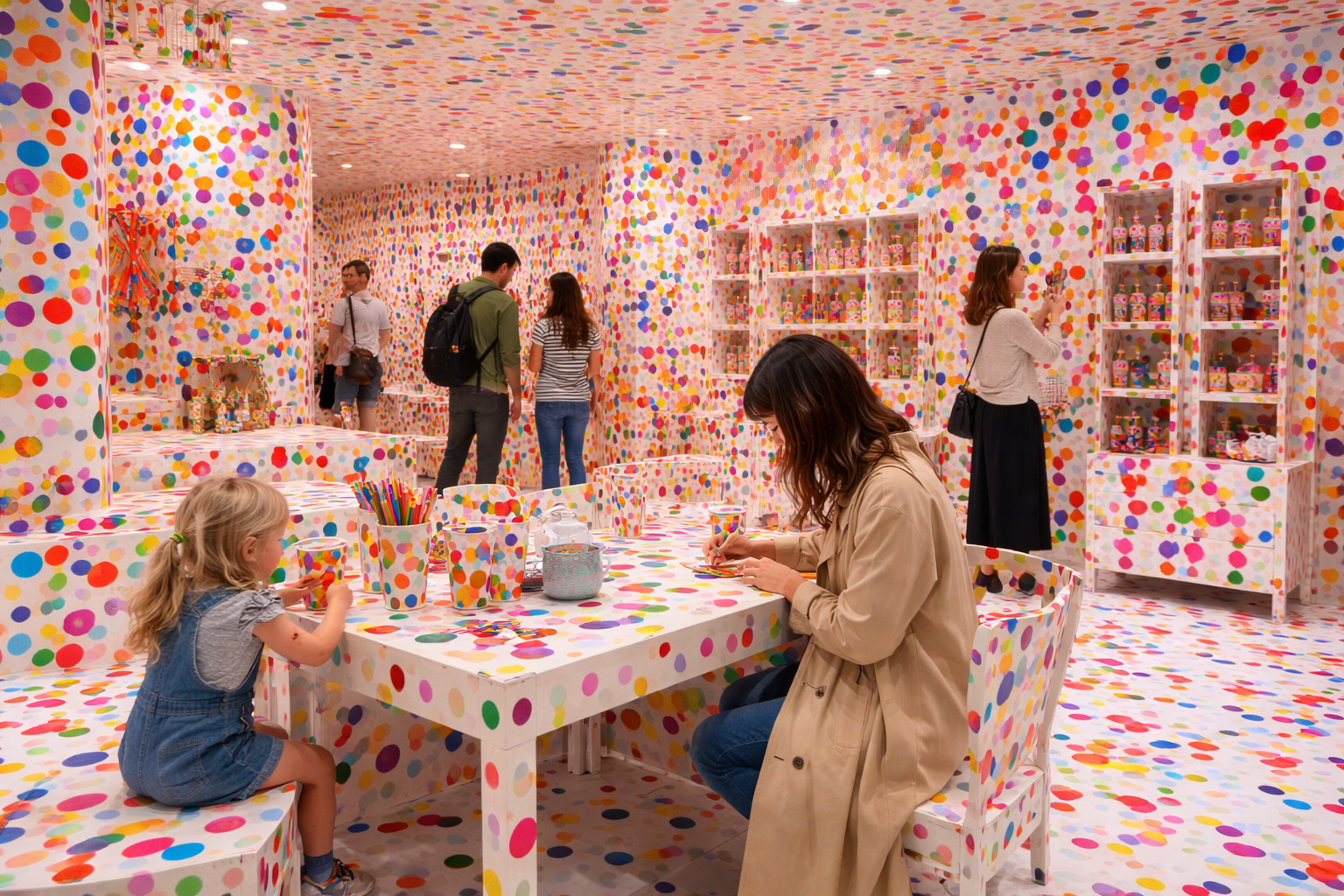
While modern art experiments with form, contemporary art often experiments with ideas themselves. The artwork is not always a painting or a sculpture. It can be an installation, a performance, a video, or even a situation designed to make the viewer reflect.
A transitional figure here is Andy Warhol. He belongs historically to late modern art, but conceptually he opens the door to contemporary thinking. His work shifts attention away from technique and towards culture and society. This is why Warhol feels both familiar and confusing. He sits exactly at the point where modern art becomes something else. In simple terms: Modern art changes how art looks. Contemporary art questions what art is.
Why museums mix both
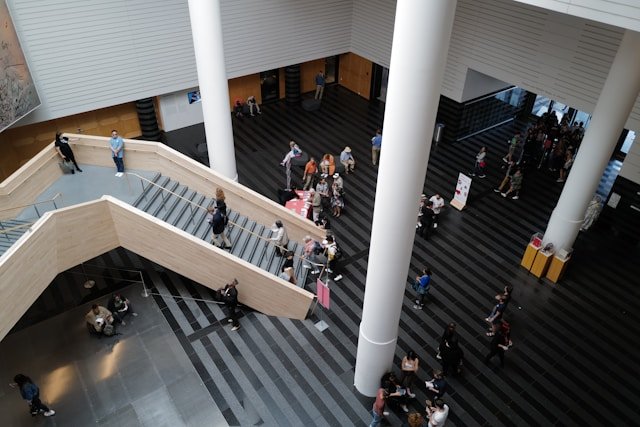
Museums do not mix modern and contemporary art by accident. This decision is usually made by curators, whose role is not just to display artworks, but to construct a narrative through space.
Instead of organising art strictly by dates, many museums choose to organise it by ideas or themes. A modern painting and a contemporary installation may be separated by fifty years, but still be asking similar questions about identity or perception.
This approach helps visitors see how artistic concerns evolve over time rather than disappear and restart. A cubist painting may sit near a contemporary video work because both are challenging how we see reality, even if they use completely different tools.
Another reason is continuity. Contemporary art did not appear suddenly out of nowhere. It grew directly from modern art and its rejection of tradition, and showing them together makes that transition visible. When museums separate them too rigidly, that connection can be lost.
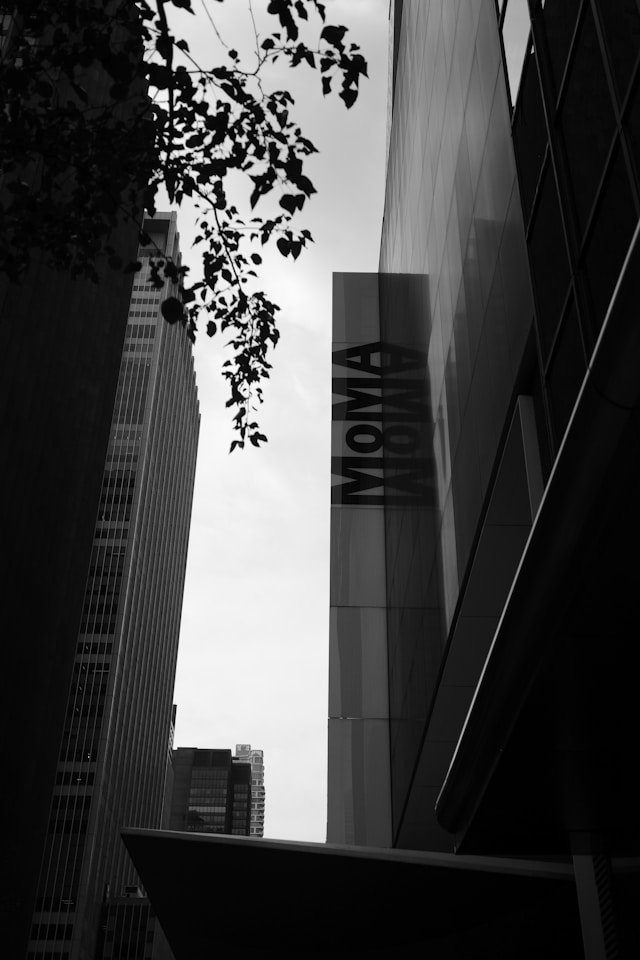
Institutions such as Tate Modern in London or the Museum of Modern Art of New York, are designed with this philosophy in mind. Their layouts encourage visitors to move through ideas rather than timelines, allowing unexpected comparisons and personal interpretations to emerge.
Museums that mix modern and contemporary art are inviting you to think relationally, to notice the contrasts and continuities of the art, rather than memorising labels. Once you understand this, mixed exhibitions stop feeling random and start feeling deliberate.
How to look at an artwork
When looking at modern or contemporary art, stop asking whether it is “good” or whether you could have made it yourself. Those questions belong to a different kind of art.
A better approach is to change your focus. Instead of judging the result, pay attention to what the work is doing to you. Does it make you uncomfortable? Curious? Calm? Confused? Sometimes the reaction matters more than the object itself.
It also helps to ask why the artist chose this particular form. Why a video instead of a painting? Why an empty space instead of a sculpture? In modern and contemporary art, form is often part of the message.
Most importantly, do not expect immediate understanding. Confusion is not a failure; it is often intentional. These artworks are not designed to deliver clear answers, but to slow you down and make you reflect.
What museums rarely tell you
Most visitors assume they are supposed to understand an artwork immediately, standing in front of it for a few seconds, then moving on. This habit comes from traditional museums, where paintings often reward quick recognition.
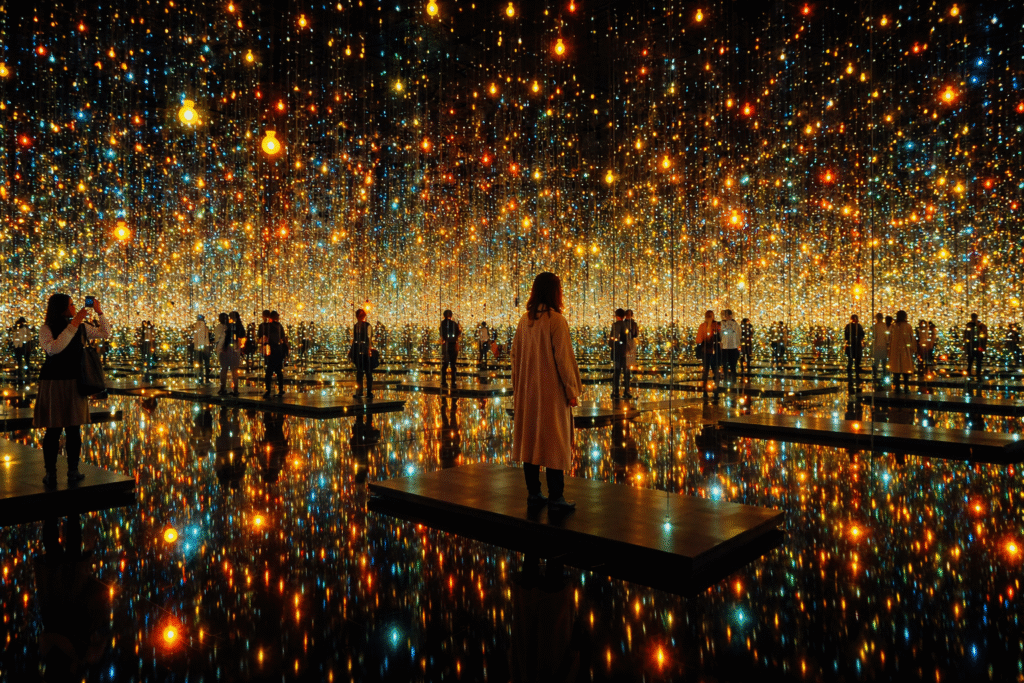
Modern and contemporary art work differently. Many pieces are designed to unfold over time. Videos may require your attention for long time. Installations may only make sense once you walk around them. Some works change meaning depending on where you stand or how long you stay. This is why many museums include benches, dark rooms, or open spaces. They are not decorative choices. They are signals that the artwork asks for time and presence.
Wall texts and captions can also help, but they should be read after looking, not before. Reading first can lock your interpretation too early. Looking first allows a personal response to form, which the explanation can then enrich rather than replace.
Appreciation is optional
One of the most liberating ideas about modern and contemporary art is this: appreciation is optional.
Museums can make people feel as if understanding and liking every artwork is a requirement. It is not. You are allowed to dislike a piece, feel nothing at all, or even walk away unimpressed. That reaction does not mean you failed. It simply means the artwork did not connect with you.
Art is not a universal language with a single meaning. It is a conversation, and like any conversation, not all voices will resonate with you. Some works will feel powerful and others will feel distant.
Modern art is not a puzzle to be solved, but an invitation to look differently. When you accept that invitation, museums stop feeling like intimidating spaces you do not belong in and become places where curiosity is enough, and not having all the answers is part of the experience.
Discover more.
