At Tekaroid, we spend a lot of time trying to understand change, but also questioning it. Not everything that matters moves fast, not everything valuable needs to reinvent itself every decade. Some things remain relevant precisely because they do not follow the rhythm of trends. Gold is not about trends. It is about trust, and that is the easiest way to understand its role.
Why people still invest in gold
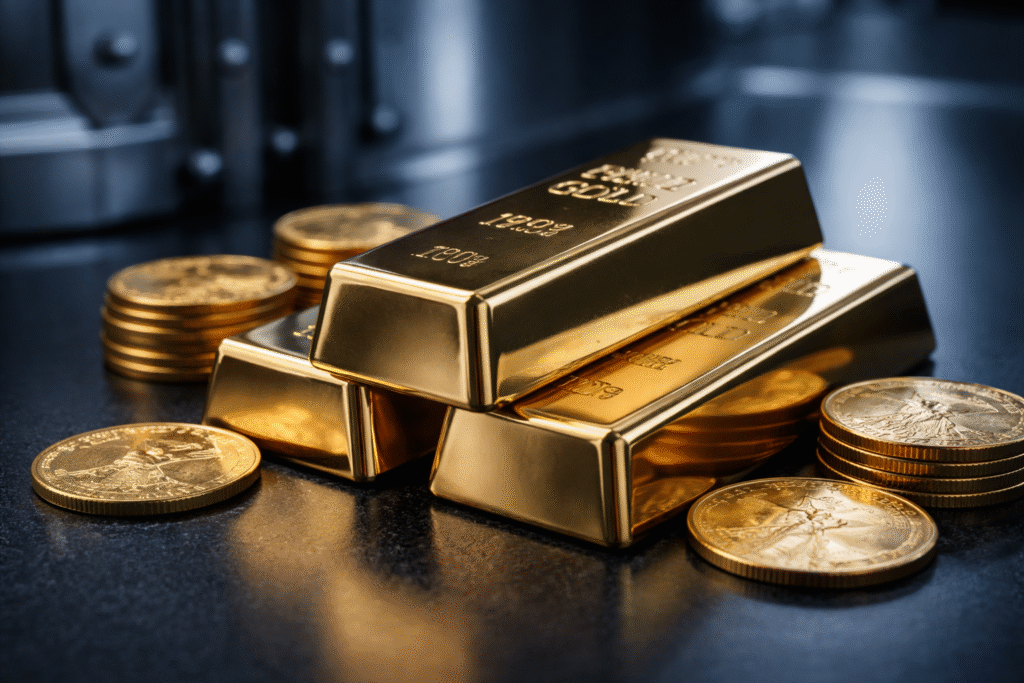
When people hear about investing in gold, it sounds outdated, as if it belonged to a different economic reality. But now, money is mostly abstract, something we rarely see or touch, and that makes its value feel fragile at times. Gold represents the opposite idea. It is tangible, limited, and has been trusted for centuries as a way to store value. People do not invest in gold because it promises fast profits, but because it offers a sense of stability when currencies lose purchasing power and the future feels uncertain.
What gold really is
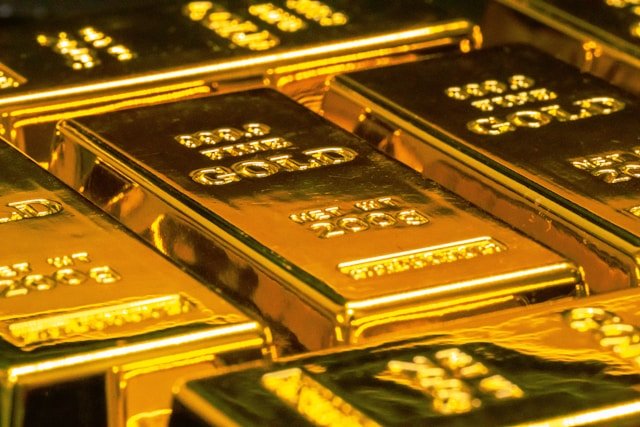
Gold has value because people have agreed, for a very long time, that it has value. That agreement did not come from laws or technology, but from experience. Gold is rare, it lasts indefinitely, and it cannot be produced easily. These simple characteristics are enough to explain why it became a way to store wealth across different cultures and periods of history.
Unlike money held in accounts or systems, gold exists independently. Its value does not rely on a government decision, a company balance sheet or a digital platform continuing to work. That independence is a large part of why gold still feels reliable.

Gold as a social agreement across time
Gold is often described as valuable because it is rare or durable, but these characteristics alone do not fully explain its role. What truly gives gold meaning is continuity of agreement.
Across centuries, cultures that never interacted with one another reached the same conclusion independently: gold was worth keeping. This consistency matters. Value built over time creates trust not because it is rationally proven every year, but because it survives change.
Unlike modern financial instruments, gold does not require any update or innovation. Its logic remains stable. This makes it unusual in a world where value is often tied to speed and complexity.
It has remained understandable while systems around it have evolved, collapsed and reformed. That historical resilience is difficult to replicate artificially.
Gold is not meant to make you rich
Gold is often misunderstood because it is compared to investments designed for growth. Gold does not generate income, it does not grow with the economy and it does not reward risk in the same way other assets do. Expecting gold to behave like those investments usually leads to disappointment. In Tekaroid we love to invest in Stock and Crypto, but we also invest in gold because is they way to keep the value safe as possible.
The purpose of gold is preservation. Over long periods, it has helped maintain purchasing power rather than multiply it. This is why gold is often described as defensive. It is there to reduce risk, not to chase returns.
Growth culture versus preservation logic
Modern investing culture is largely built around growth. Assets are evaluated based on performance, scalability and potential upside. In that context, gold often appears inefficient or unproductive.
But this comparison misunderstands the real purpose.. Gold operates under a different logic. It is not designed to outperform, but to remain. It does not compete in the same race.
Preservation assets rarely look attractive during expansion. Their value becomes visible when growth fails, slows, or becomes fragile. The role of gold is not to replace growth-focused assets, but to exist outside their assumptions.
This difference explains why gold feels irrelevant to some investors and essential to others. The distinction is not financial sophistication, but time horizon. Gold makes sense when value is measured across decades rather than cycles.
Why gold gains attention in uncertain times
Gold tends to receive more attention when confidence in financial systems weakens. This pattern repeats whenever there is economic instability or uncertainty. In these moments, people look for something that feels solid.
Gold offers a sense of permanence. It exists outside the financial system and does not depend on constant performance. Even if it sits quietly in the background, its presence provides reassurance, both financially and psychologically.
Different ways of owning gold
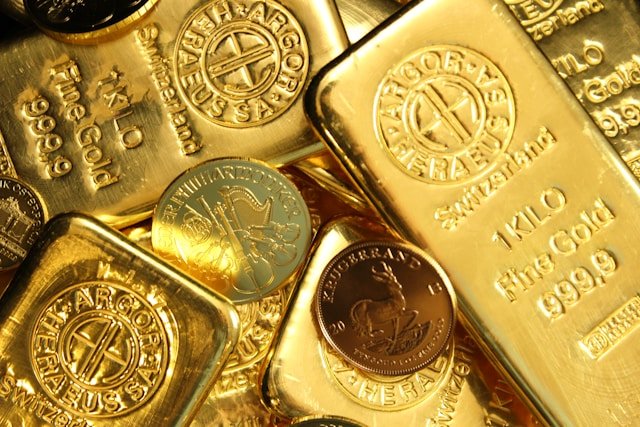
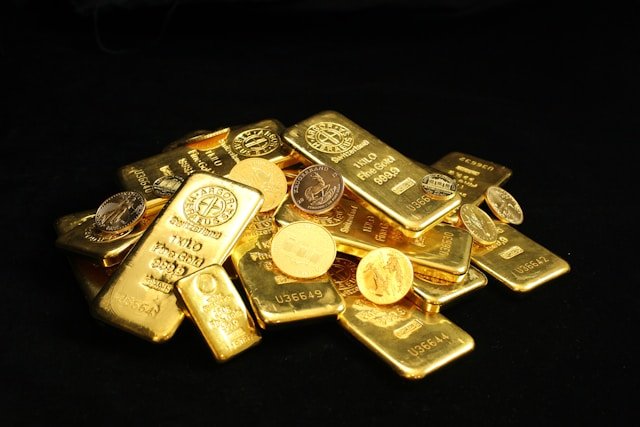
When people talk about investing in gold, they are not always referring to the same thing. Some prefer physical ownership because it feels tangible. Others prefer financial exposure that follows the price of gold without direct ownership, as it is easier to manage.
What matters is not the method, but the role gold is meant to play. Gold is rarely about convenience. It is about balance.

Gold and inflation
Gold is often linked to inflation, but the relationship is not straightforward. Over long periods, gold has tended to hold its value while currencies slowly lose purchasing power. Gold reacts to expectations, interest rates and confidence in monetary systems, not just price increases. For this reason, it works better as long-term protection than as a short-term response.
Who gold makes sense for
Gold is not necessary for everyone. It tends to appeal to people who value stability and already have exposure to assets focused on growth. In those cases, gold acts as a counterbalance rather than a central strategy. Its role is usually limited and supportive. Gold is not designed to dominate a portfolio, but to soften uncertainty.
Gold in a digital financial world
As financial systems become faster and more abstract, gold stands out for its simplicity. It does not require technical knowledge, constant monitoring or trust in complex infrastructure. Its logic remains easy to understand. That simplicity explains why gold has not disappeared. It does not compete with modern financial tools. It complements them.

A quiet but lasting role
Gold often feels unnecessary during periods of stability. Its value becomes clearer when uncertainty returns. This does not mean it should be overused. Gold works best when it plays a quiet role, providing balance without drawing attention. Gold has remained relevant not because it promises growth, but because it offers continuity. In a financial world defined by constant change, that continuity still matters.
At Tekaroid, we always approach investment topics as a space for reflection, not as financial advice. We are not financial professionals, and every personal situation is different. That said, gold is often understood not as a way to grow money, but as a way to protect its value over time. In a world where currencies, markets and systems change constantly, holding something designed to remain stable can make sense for many people. Not as a bet, but as a reminder that not every financial decision needs to be about maximising returns.
