
At Tekaroid we explore how the online transformation will affect society in the years ahead. This is a reflection we would like to share in case it might be helpful.

For many years digital identity was simple. A username, a password, maybe an email linked to a profile. The idea felt temporary, almost disposable. You could delete an account, start again or reinvent yourself without difficulty. But over the last decade the concept has shifted dramatically. Identity online is no longer a small extension of who we are. It is becoming a full structure that follows us across platforms, services, devices and even borders.
The era of biometric systems
According to research published by Fortune Business Insights, global spending on biometric solutions is expected to pass 75 billion dollars by 2030. For sure, you remembar any time you been asked for a facial recognition and behavioural patterns, this patterns are now common tools used by too menay companies or public services like banks, airports and governments. These systems create a persistent form of identity that is far harder to reset or escape. A password can be changed. Your face cannot.
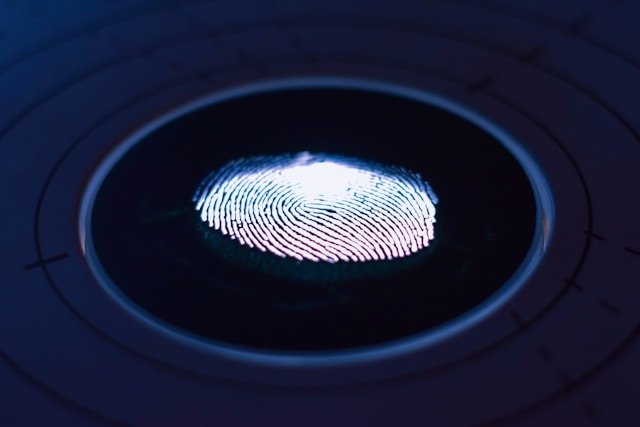
At the same time, companies are building reputation metrics based on activity and behaviour. These elements shape how people are perceived by algorithms and by other users. In the next decade, identity will not only be about who you are, but about how you act within the digital world.
As biometric systems become integrated into daily life, digital identity grows harder to separate from the physical self. This makes reputational risks more permanent, because a persons online footprint is no longer tied to a simple profile but to a recognisable individual. When identity becomes fixed, mistakes, images or impulsive content gain a longer shadow, linking behaviour directly to the person behind the screen.
The fragility of digital reputation
Over the years we have seen digital creators rise to enormous levels of influence, only to fall almost overnight. Some built their reputations through consistency and talent, yet lost everything through a single impulsive decision, a careless comment or an incident that spread faster than they could respond. Others turned themselves into public caricatures, replacing years of dedication with a reputation built on mockery and controversy. Also, some drifted into controversy or became the target of ridicule, transforming what once looked like a promising identity into something that closed doors instead of opening them.

The fragility of digital reputation becomes clear when a single video can reshapes public perception. A creator can spend years building a profile, yet a brief lapse in judgement can redefine them entirely. This is the new landscape of identity. Difficult to reverse once the momentum turns negative.
The weight of digital traces
Everything we share online leaves a mark that is far more persistent than most people imagine. Even when a post is deleted, versions of it can remain stored in places the original author never sees. Research from the University of Edinburgh highlights how digital material often survives through unexpected replicas and hidden archives, creating a silent extension of a persons presence long after they believe something has disappeared.
A video recorded without much thought can reappear at a moment when it causes harm. A photo shared during a relaxed period of life can travel far beyond its intended audience. What feels fleeting at the time can acquire a permanence that no one predicts. At Tekaroid we have always encouraged readers to keep this in mind, because a moment of carelessness can turn into a burden that follows a person for years.
Digital reputation
Recruiters look at online behaviour when evaluating candidates. Social spaces pay attention to how individuals present themselves and how they respond to others. Algorithms build silent impressions based on repeated patterns, connecting actions that seem unrelated and drawing conclusions that may affect how a person is filtered or prioritised.
In the modern era, where everything is connected and more and more systems are becoming automated, it is very important to take all this into account, as we may be affected by bad decisions made in the past.

Future demands awareness
In the years ahead this process will grow even more intricate. Identity will not depend on a single platform or a curated profile. It will emerge from the accumulation of data that technology remembers long after the individual has forgotten them. What once seemed like background noise becomes part of a larger picture that accompanies a person through different stages of life.
The gradual loss of anonymity is not necessarily harmful, but it does require a deeper sense of awareness. Digital identity is no longer something we slip in and out of. It blends with our daily lives, shaped by spontaneous decisions and deliberate communication alike. The boundary between who we are online and who we are offline becomes thinner with every new device and every new habit.
The challenge of the next decade is learning to navigate this landscape with intention. Instead of withdrawing or attempting to erase every trace, the task is to choose carefully what becomes part of our public narrative.
Discover more
