People blamed it for everything and became a strange source of controversy. At Tekaroid, we remember that chaos well, but now that the noise has faded and everyone is happily scrolling on 5G, it’s a good moment to explain what this technology is.
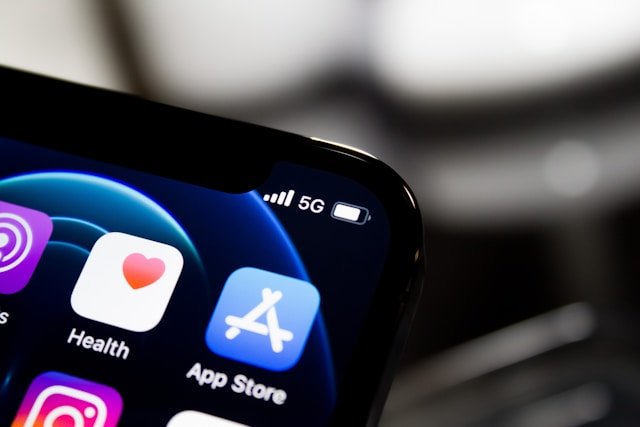
When mobile operators began deploying 5G networks around 2019, something unusual happened: a normal technological upgrade, similar to what 3G and 4G were in their time, suddenly became the centre of conspiration theories, wrapping this technology with suspicion and misinformation. As the pandemic unfolded, the debate intensified.
One of the most extreme conspiracy theories that circulated at the beginning of the pandemic claimed that 5G had been “activated” in China and that its radio waves created a kind of “microwave effect” that killed large numbers of people instantly. According to this rumour, the virus did not exist at all, what the world was seeing was supposedly the result of radiation exposure, not a respiratory disease. This claim collapsed immediately when confronted with basic facts. COVID-19 spread in countries without 5G networks, and medical teams identified the pathogen responsible for the disease.
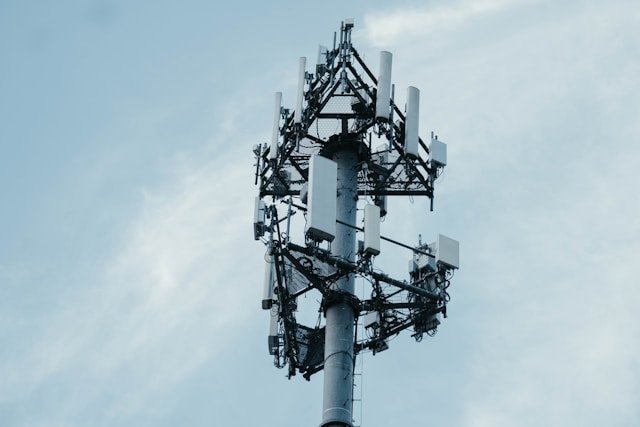
Understanding network generations
When mobile networks began their first generation (1G) they offered only voice calls. Then each new generation brought something new:
-2G introduced text messages and basic data.
-3G allowed mobile internet browsing and video on phones
-4G (or LTE) gave us faster mobile broadband, streaming videos, apps, high speed data
-5G then moves mobile networks into a new era where data travels faster, connections respond more quickly, and the system can cope with far heavier digital traffic without collapsing.
In other words, each “G” stands for a generation of mobile network technology, and each step is a technological advancement.
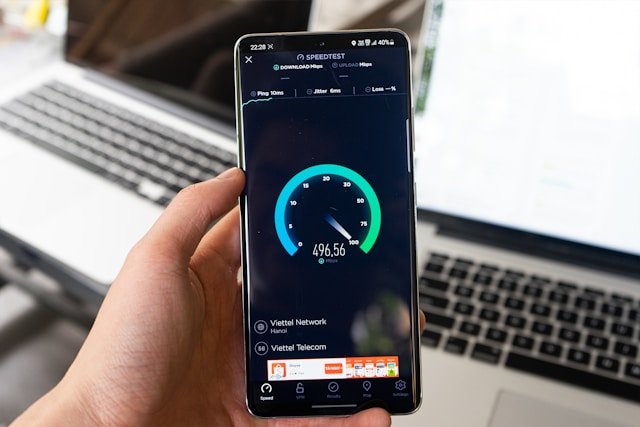
5G is technically explained
5G stands for fifth-generation mobile network. It uses the same underlying idea as earlier networks, but introduces several technical upgrades:
-Higher frequencies and wider channels: 4G mostly operates below 6 GHz, while 5G can also use bands that sit well above that range. These higher frequencies allow 5G to carry a much larger volume of data, which is why the network feels faster and more responsive.
-Much bigger capacity and more devices: Have you ever been at a massive concert or inside a packed football stadium and suddenly your phone has no signal, no messages, no nothing? Well, here is the reason. Because of the wider channels and better spectrum use, 5G can support far more devices in the same area.
-Lower latency: This means faster response time. Latency means the delay between sending and receiving information. 5G significantly reduces this delay compared to 4G.

In technical terms, 5G moves far beyond the limits of 4G by combining wider spectrum access, broader channel bandwidths and a more flexible network architecture. It can operate in higher frequency ranges that allow the transmission of much larger data volumes, while its lower latency enables near-instant communication between devices.
At the same time, the 5G standard supports a dramatically higher device density within the same geographic area, something 4G cannot achieve. The result is a network that delivers higher throughput, faster response times and far greater capacity across the entire system.
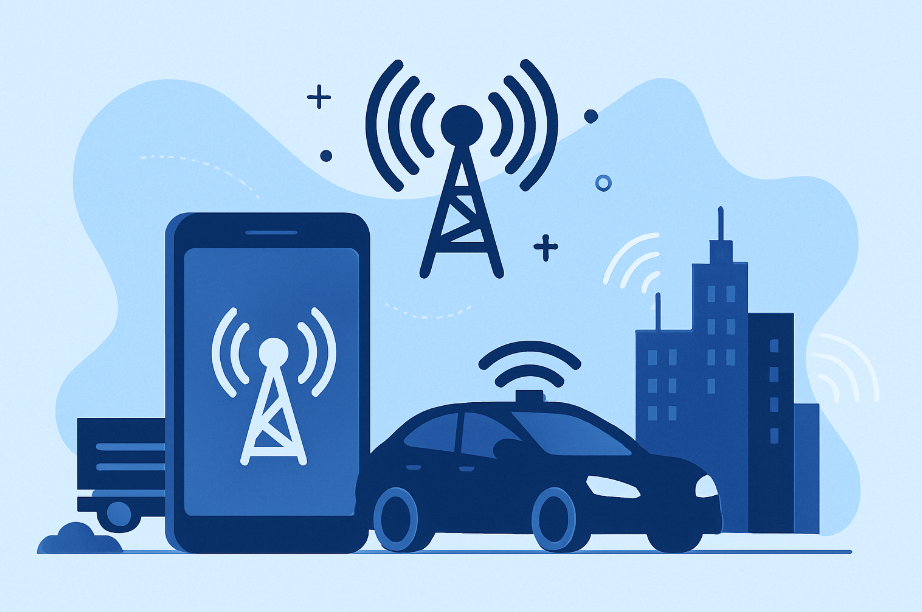
What about 6G: The next step
At Tekaroid we have done our own research into the upcoming sixth generation of mobile networks, and the first thing we discovered is that there is not much public information yet. Current projections suggest that 6G will not arrive before the early 2030s. This matches the usual timeline for new mobile generations, and early reports from industry leaders indicate that development is still in its research phase rather than close to deployment.
What makes 6G interesting is the scale of the expected jump. While 5G already delivers multi-gigabit speeds in ideal conditions, 6G aims to move far beyond that, with targets that reach tens or even hundreds of gigabits per second. Some research visions even mention the possibility of approaching 1 terabit per second, although those figures remain experimental.
Latency is another major area of improvement. If 5G pushed delay down to a few milliseconds, 6G aims to reduce it even further, potentially below the one-millisecond threshold. To achieve this, 6G is expected to use much higher frequency bands, including parts of the terahertz spectrum. It will also introduce new concepts such as intelligent surfaces, AI-driven network management and the integration of communication with environmental sensing.
So for now, the conclusion is simple: 6G promises a significant leap in speed and network intelligence, but it remains a long-term project.
